1. Why sleep is an active biological wash cycle
While the rest of the body relies on lymphatic vessels to clear cellular waste, the brain uses a specialized network discovered in 2012 called the glymphatic system, which channels cerebrospinal fluid through brain tissue.
2. What happens during slow-wave deep sleep
NIH-supported research shows that during deep non-REM sleep, brain cells temporarily shrink by up to 60% as noradrenaline drops. This opens interstitial channels, allowing cerebrospinal fluid to wash away daytime metabolic byproducts including amyloid-beta and tau proteins.
3. The real cost of fragmented sleep
Chronic sleep loss leaves this nightly wash cycle incomplete, contributing to brain fog, poor working memory, irritability, and heightened anxiety.
4. Neurological sleep support at Revimed PLUS+
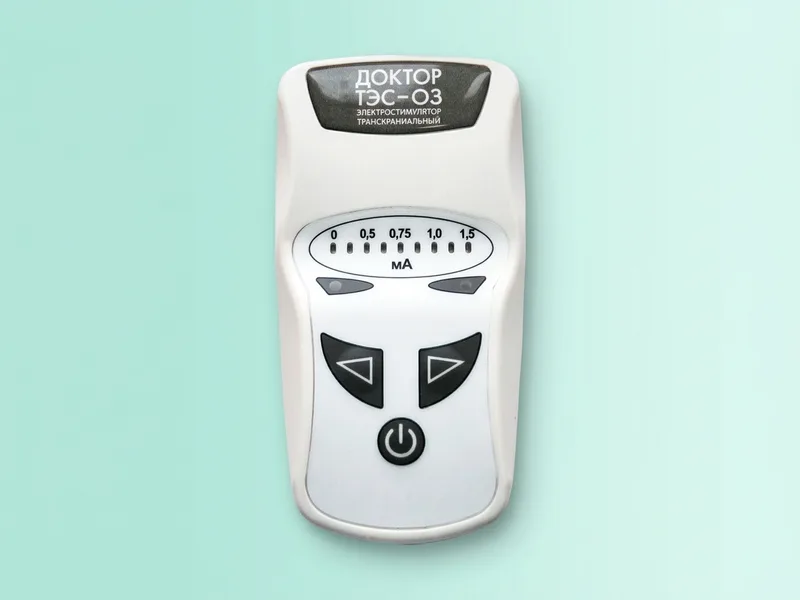
If insomnia or chronic fatigue persists, Dr. Igor Revenco evaluates underlying neurological and autonomic factors and offers gentle options such as Electrosleep therapy. Appointments: 022 60 50 60.