Dizziness & Vertigo: Identifying the Real Cause
Patients use the word “dizziness” for very different symptoms: brief room-spinning when rolling over in bed, lightheadedness on standing, or neck-related unsteadiness after desk work.
1. Brief Spinning Vertigo (Inner Ear — BPPV)
Intense 15–40 second spinning triggered by rolling in bed or looking upward is most often benign paroxysmal positional vertigo (BPPV), caused by displaced inner-ear otoconia. It responds to targeted repositioning maneuvers rather than generic vasodilators.
2. Cervicogenic Unsteadiness
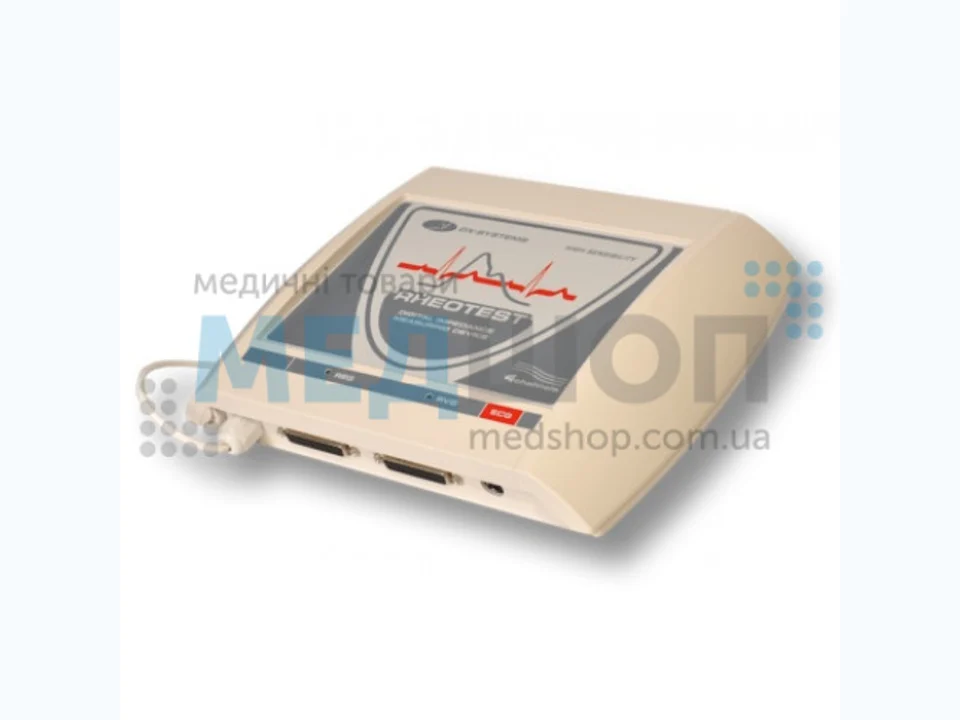
Non-spinning unsteadiness accompanied by neck stiffness, occipital tension, or tinnitus after prolonged screen time often involves cervical muscle spasm and vertebrobasilar dynamics, assessed clinically alongside non-invasive RHEOTEST (500 MDL).
3. Emergency Red Flags (Call 112 Immediately)
Sudden slurred speech, double vision, difficulty swallowing, facial/limb weakness or numbness, or sudden inability to stand require immediate emergency stroke evaluation.
At Revimed PLUS+ in Chișinău (Mircea cel Bătrân St. 13/2, Ciocana), neurology consultations with Dr. Igor Revenco are 500 MDL (400 MDL follow-up) and RHEOTEST is 500 MDL. Appointments: 022 60 50 60.