L4–L5 / L5–S1 Disc Herniation: When Non-Surgical Rehab Works vs. When Neurosurgery Is Needed
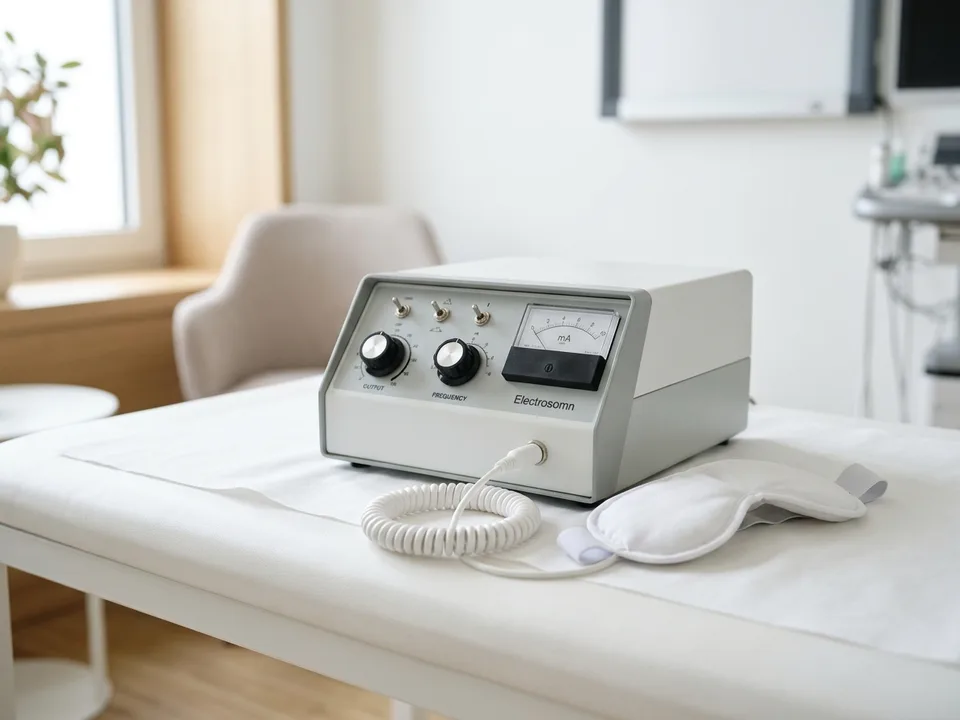
Seeing “L4–L5 or L5–S1 disc herniation” on an MRI report does not automatically mean spine surgery. In most uncomplicated cases without progressive motor deficit, structured conservative care (targeted physiotherapy, electrotherapy, therapeutic massage, and kinesitherapy) achieves durable relief.
Red Flags Requiring Urgent Neurosurgical Assessment
- Progressive foot drop or leg muscle weakness;
- Saddle numbness or loss of bladder/bowel control (emergency 112 — cauda equina syndrome);
- Severe radicular pain failing to improve after 6–8 weeks of guided conservative therapy.
At Revimed PLUS+ in Chișinău (Mircea cel Bătrân St. 13/2, Ciocana), Dr. Igor Revenco (Neurosurgeon & Neurologist, 35+ years experience, EANS member) reviews MRI films objectively. Consultation: 500 MDL (400 MDL follow-up), physiotherapy sessions: 100 MDL / 30 min. Appointments: 022 60 50 60.